
 You might think that a UV air purifier is “just another air cleaner.” However, it’s quite different from a standard ionization or electronic air cleaner—more on that below.
Basically, there are a number of things that can have a negative impact on your indoor air quality, but there are a few systems that can help improve this situation. Indoor air quality is a big concern no matter what time of the year it is—in fact, without the right products in place, it’s worse than the quality of the air outdoors.
But, what type of air purifier is best? To answer that, we first need to explain what air purifiers actually do.
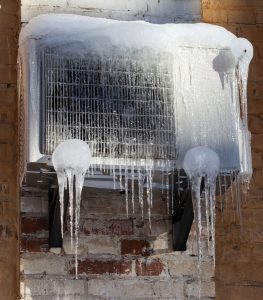 “Wait, isn’t ice development a normal part of air conditioning? After all, it is a cooling system right?”
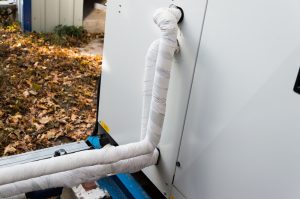 Has your handyman told you to refill the refrigerant on your air conditioner because it’s getting low?
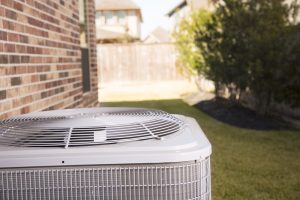 The reason we talk about repair needs and malfunctions so much this time of the year is because this is the time of year they’re most likely to occur! And AC repair is one of those services you need to schedule ASAP and not wait on. We see a lot of systems, unfortunately, that are near failure simply because homeowners waited too long to call for repairs.
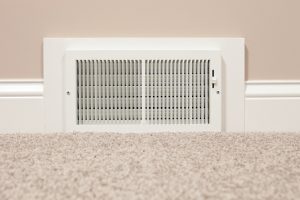 Not all air conditioning repair needs are catastrophic. In fact, not all air conditioning repair needs are actually air conditioning repair needs. For instance, you might have a miscalibrated thermostat, or a thermostat that was accidentally set to heating mode. Or you could have damaged ductwork.
 Wouldn’t it be nice if we had air conditioners that could self-diagnose malfunctions and report them back to the homeowner, in detail? We’re sure that will exist someday, but in the meantime, we have to rely on other methods for an air conditioner to send warnings that something is wrong. Perhaps it’s a drop in cooling power, an unexplained spike in energy bills, or frequently tripping circuit breakers.
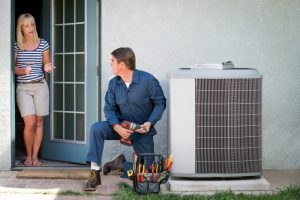 If you’ve lived in the area for even a year, chances are that you—hopefully—have had maintenance done on your air conditioner at least at one point. Perhaps a professional performed it, and your air conditioner showed signs of improvement in operation afterward.
 When you see water puddling anywhere in or around your home where it shouldn’t be, with no explanation, it’s probably your natural instinct to call a plumber. This isn’t exactly the wrong move to make, but the fact is, you may be dealing with a leak coming from your air conditioner—in which case you’d want to give our HVAC pros a call.
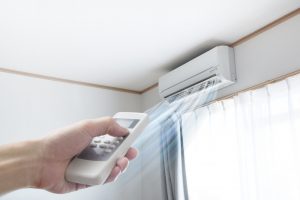 Ductless heating and cooling systems have been growing in popularity in recent years, and for good reason. They’re very versatile and energy efficient, and offer a number of benefits to homeowners.