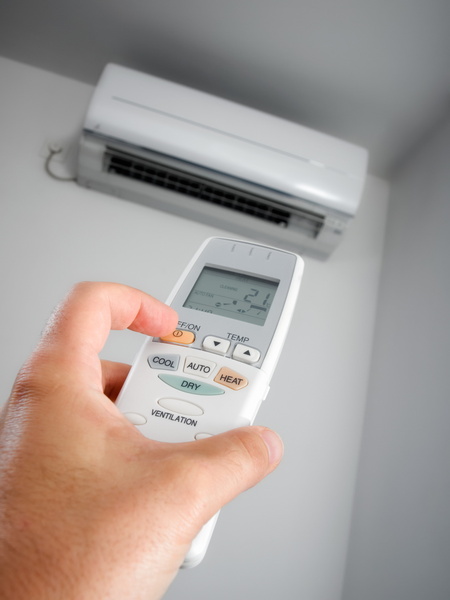

When you live somewhere that gets as warm as it does here in the summertime, then owning an effective and efficient air conditioning system isn’t just a “nice to have,” it’s an “absolutely necessary to have.”
It’s important to keep in mind, though, that no cooling system will last forever, and knowing when yours needs to be replaced will actually help you save money and improve your comfort. But how do you know when it’s time? Read on as we uncover key signs for AC replacement.
When Should You Replace Your HVAC System?
If your air conditioner is aging, breaking down often, or struggling to keep your home comfortable, it may be time to consider HVAC replacement instead of another repair.
Replace your HVAC system if you notice:
- Your system is 10 to 15 years old
- Repairs are becoming frequent or expensive
- A repair costs nearly half the price of replacement
- Your system uses outdated refrigerant
- Energy bills keep rising without a clear reason
- Your home has uneven cooling or poor comfort
Replacing an aging HVAC system can help lower repair costs, improve energy efficiency, and restore consistent comfort throughout your home.

 While many homeowners throughout the country are breathing a sigh of relief as temperatures cool and they use their cooling systems less and less, we aren’t so fortunate. Not only do we have the heat to contend with, but the humidity as well, and it’s not going away any time soon.
 Fall is officially here! Okay, so that doesn’t mean much for those of us in Florida—but temperatures will start to cool down a bit, at least to the point that we might be able to turn off our AC systems at night soon. With this short reprieve from the heat, now is the perfect time to consider what
 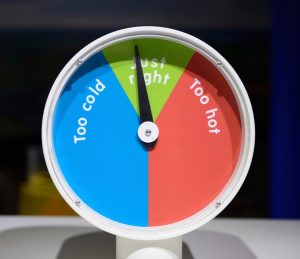 You have many options when it comes to what type of thermostat you choose to control the cooling and heating systems in your home. For instance, if you have one of the manual, “slider” type thermostats still, simply replacing it with the most basic digital thermostat is an upgrade. You can take this even further by investing in a programmable thermostat or a smart thermostat—which learns your cooling habits and adjusts accordingly.