
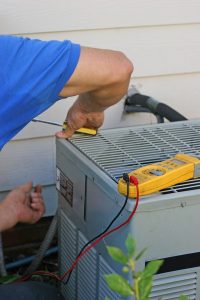
Florida summers certainly put plenty of stress on household air conditioning systems. Of course, cooling systems are designed for this, right? They should be able to handle it for 10-15 years before they wear out and require replacement. Well… if you schedule routine maintenance!
Without maintenance, your air conditioner could succumb to wear and tear a lot faster and have more repair needs than average. Even with maintenance, your air conditioner can and still will need the occasional repair. You can avoid the worst of AC troubles though, by knowing what signs to look for that your air conditioner is in disrepair. Read on as we uncover 5 of the top reasons for air conditioning repair issues.
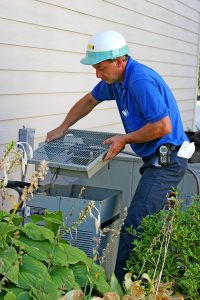
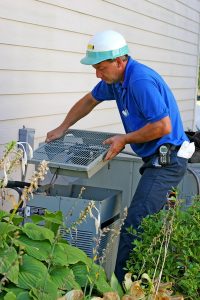
 While other parts of the country are scheduling heating maintenance and starting to shut down their air conditioners for the season, we’re still using our cooling systems on a regular basis. That said, this is commonly the time of year that air conditioners begin to experience problems—the reason for this is because it’s been going since last spring.
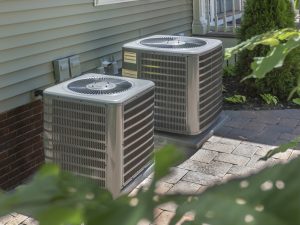 In other parts of the country, it probably seems pretty strange to be talking about air conditioners this time of the year, unless they’re talking about winterizing them. But winterizing just isn’t a thing here in the Gulf Breeze. Even though our fall and winter seasons are notably and relatively cooler than our summers, it doesn’t mean they are cool.
 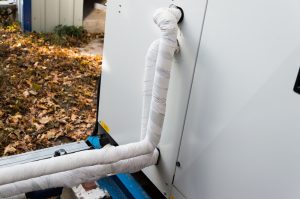 First off, you might be wondering what R-22 is. It’s refrigerant—the substance needed for your central air conditioner or heat pump to function at all. Perhaps you have a basic understanding of how refrigerant works, and you might have even had someone tell you that refrigerant needs to be refilled (called recharged in the HVAC industry) every once in a while.
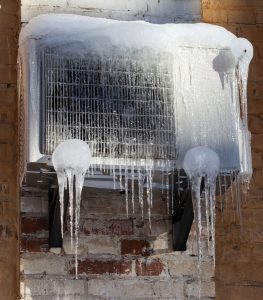 “Wait, isn’t ice development a normal part of air conditioning? After all, it is a cooling system right?”
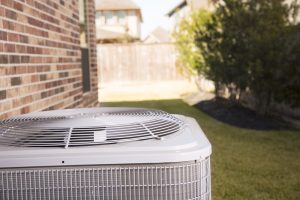 The reason we talk about repair needs and malfunctions so much this time of the year is because this is the time of year they’re most likely to occur! And AC repair is one of those services you need to schedule ASAP and not wait on. We see a lot of systems, unfortunately, that are near failure simply because homeowners waited too long to call for repairs.
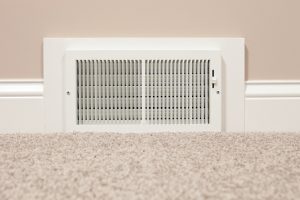 Not all air conditioning repair needs are catastrophic. In fact, not all air conditioning repair needs are actually air conditioning repair needs. For instance, you might have a miscalibrated thermostat, or a thermostat that was accidentally set to heating mode. Or you could have damaged ductwork.