
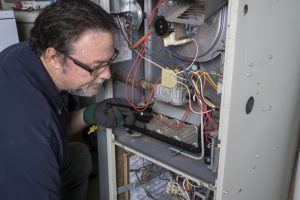
Maybe you aren’t thinking about your heating system quite yet, but it’s never too early to think about how to save money! Heating maintenance is certainly one way to do just that.
Regardless of our climate, the fact is that even if we only need our heaters for a very brief amount of time this winter, we need them to work as efficiently as possible, right? After a long season (that’s not over for several weeks still in our parts) of soaring hot temperatures and energy bills to use our air conditioners, don’t you want a bit of a financial break?
You can get that, with a heating tune-up! Read on as we uncover some of the benefits of this service.


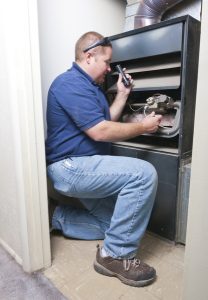
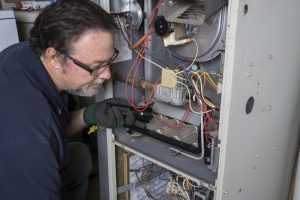 We get it, your air conditioner is the main HVAC system of choice for pretty much 90% of the year. When you use your heater—if you use your heater—it’s for a very brief amount of time, maybe even only at night.
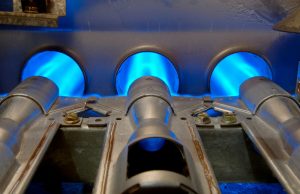
 If you’re like many homeowners in the Gulf Breeze area, chances are that you use a furnace for your home heating needs, during our brief but often chilly winter season. This is a good choice, since furnaces offer powerful, efficient, and reliable performance. Like any important appliance or major piece of equipment, however, it can malfunction, and may need professional attention as a result.